

UX Research Tutorial for Beginners: A Step-by-Step Guide to User Research in UX Design
If you’re starting your UX journey, you’ve probably heard this advice a thousand times: “Know your users.” But how do you actually do that—systematically, confidently, and without feeling lost? Learn how to do UX Research Tutorial for Beginners.
This UX research tutorial for beginners is written for designers, founders, and product builders who want clarity—not theory overload. You’ll learn what UX research is, why it matters, and exactly how to conduct user research in UX using practical methods, real examples, and a clear framework you can reuse in every project.
By the end of this guide, you’ll understand the UX research process explained from start to finish, know which user research methods for UX designers to use, and feel confident applying research—even as a beginner.
What Is UX Research? Learn UX Research Tutorial for Beginners
UX research is the practice of studying users to understand their needs, behaviors, motivations, and pain points so you can design better products.
In simple terms:
UX research helps you design based on evidence, not assumptions.
It sits at the heart of:
- The design thinking research phase
- The UX discovery phase
- Every strong UX strategy and framework
Why UX Research Matters in UX Design
Without research, design becomes guesswork.
With research, you:
- Reduce product failure risk
- Design features users actually need
- Improve usability and conversions
- Save development time and cost
That’s why UX research is not optional—it’s foundational.
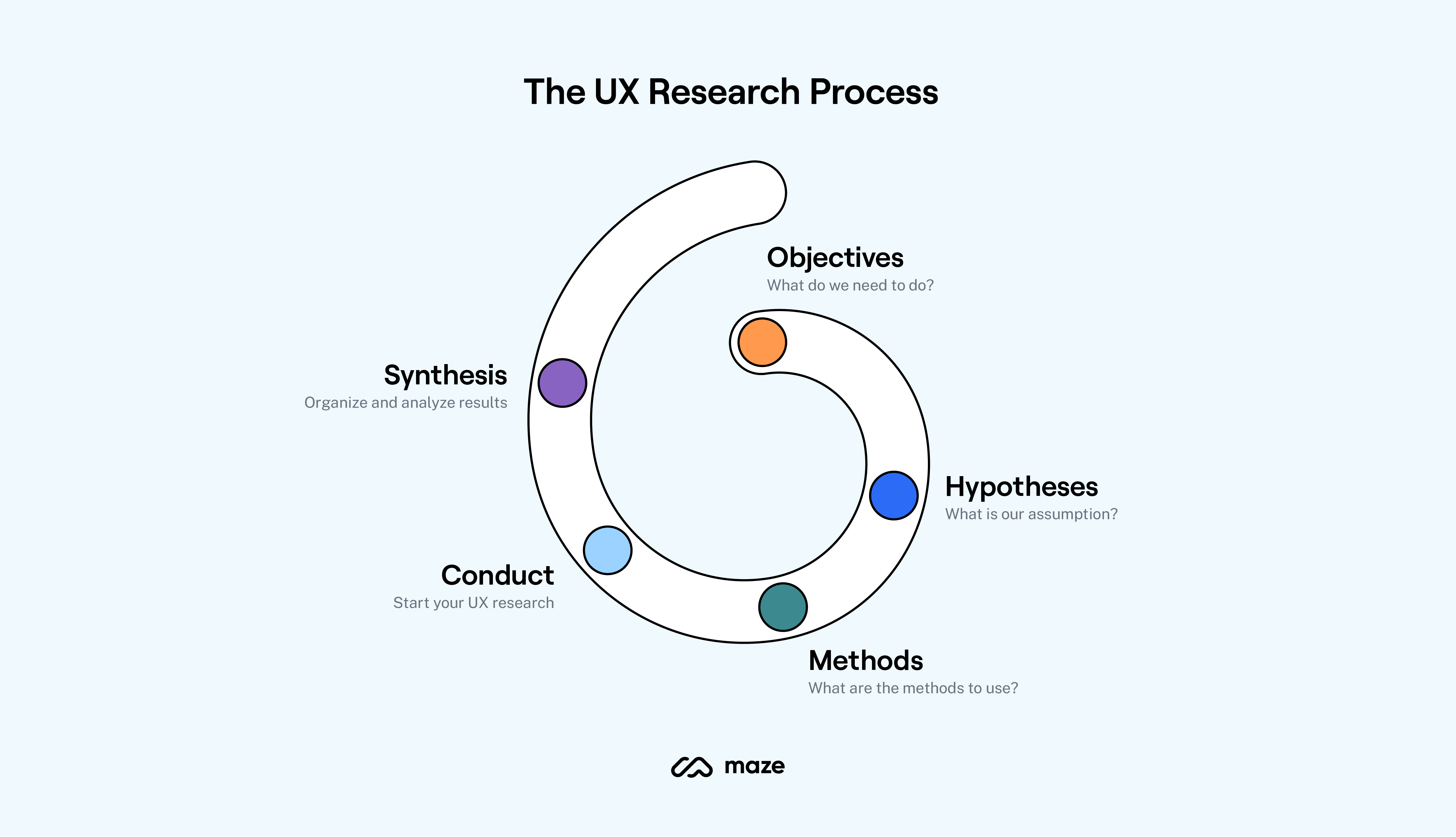
UX Research Process Explained (High-Level Overview)

Here’s a beginner-friendly UX research framework you can follow on any project:
- Define the problem
- Choose the right UX research methods
- Collect user data
- Analyze insights
- Translate findings into design decisions
This structure works whether you’re designing an app, website, SaaS product, or MVP.
Step 1: Define the Problem (Before Any Research)
Most beginners skip this—and regret it later.
Before conducting user research in UX, answer:
- What problem are we trying to solve?
- Who is the target user?
- What assumptions do we currently have?
Example Problem Statement
“New users abandon onboarding within 2 minutes because the flow is confusing.”
Clear problems = focused research.
Step 2: Understand UX Research Methods (Qualitative vs Quantitative)
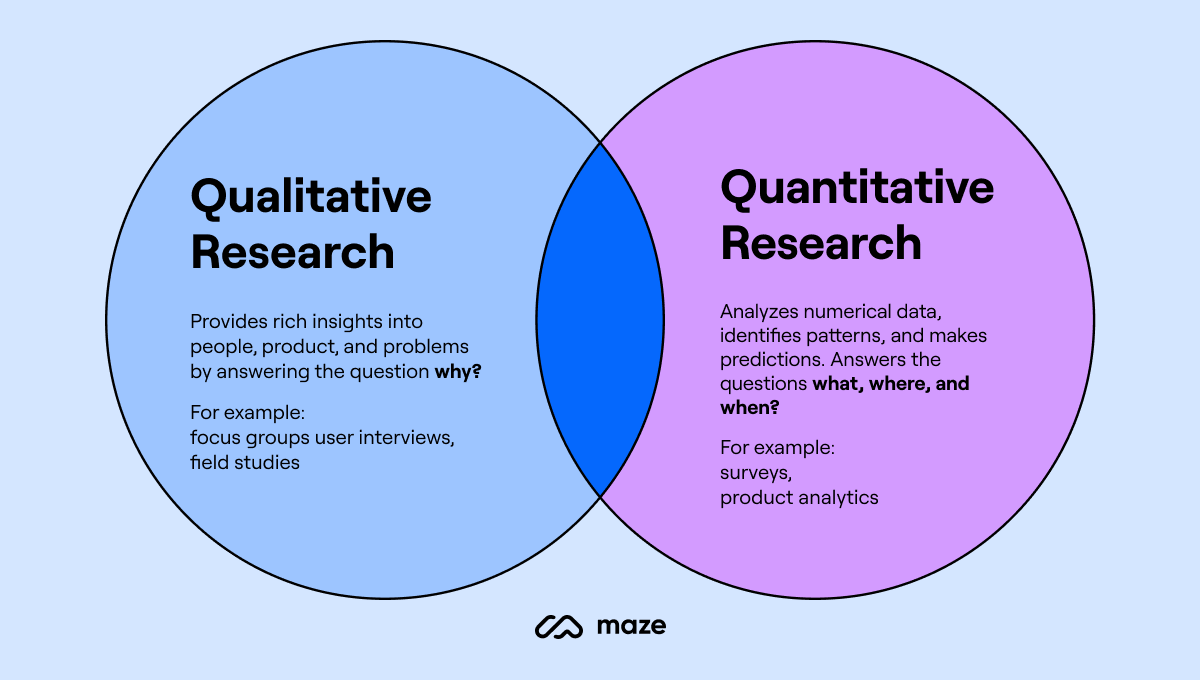

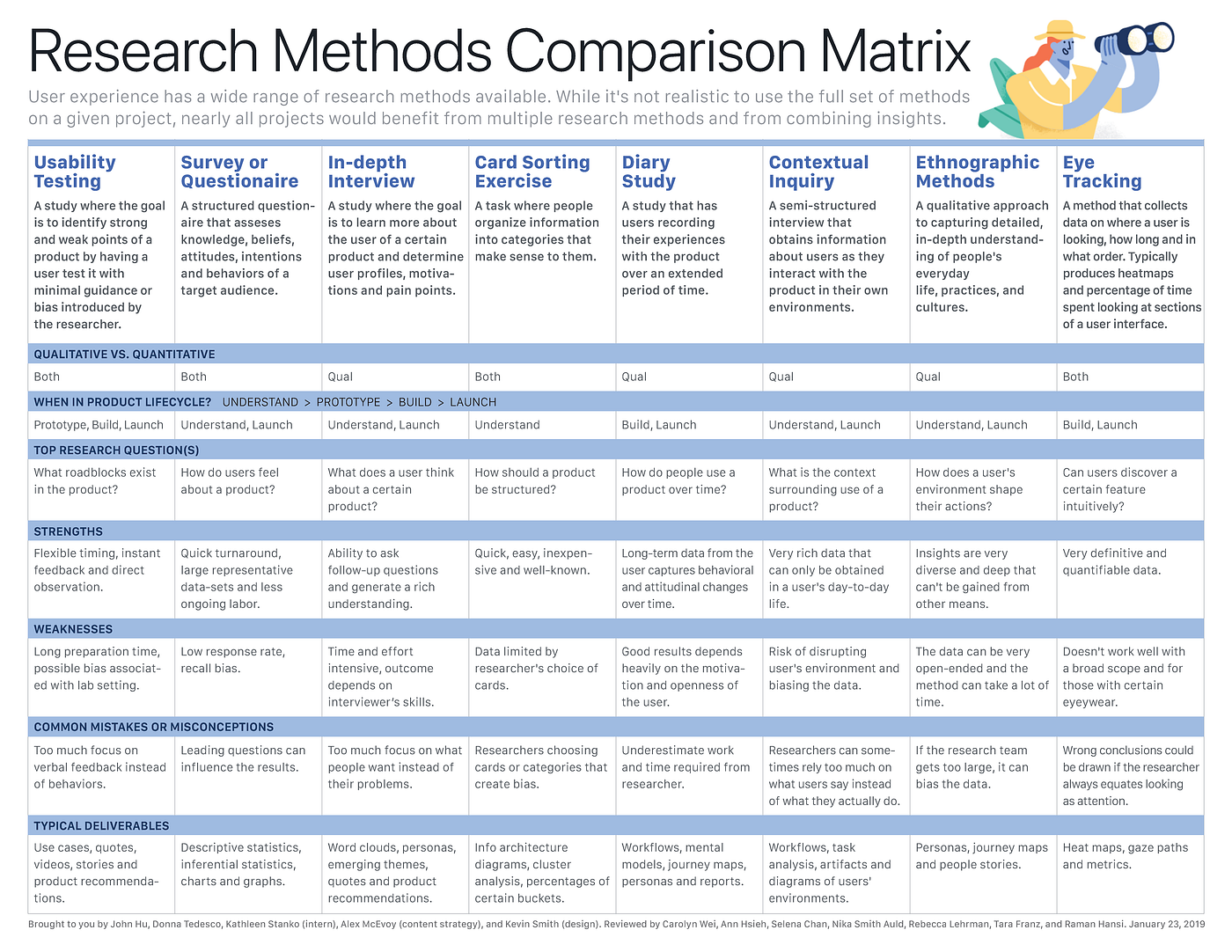
Qualitative User Research
Focuses on why users behave the way they do.
Common qualitative UX research methods:
- User interviews (UX)
- Usability testing methods
- Contextual inquiry
- Diary studies
Best for:
Understanding emotions, motivations, and mental models
Quantitative User Research
Focuses on what users do at scale.
Examples:
- Surveys
- Analytics
- A/B testing
- Heatmaps
Best for:
Identifying patterns and validating hypotheses
👉 Pro tip for beginners:
Start with qualitative research, then validate with quantitative data.
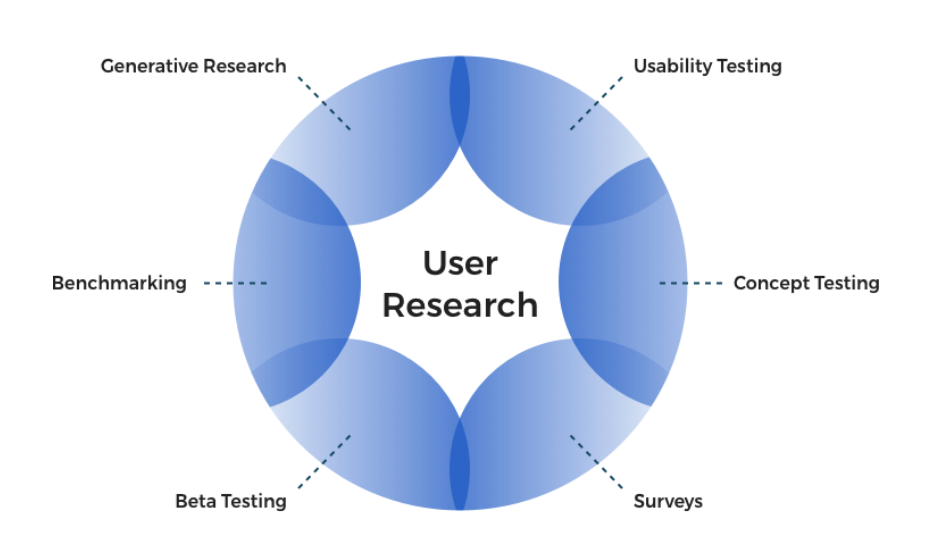
Step 3: Key User Research Methods for UX Designers | UX Research Tutorial for Beginners


1. User Interviews (UX)
User interviews are the most beginner-friendly method.
How to do it:
- Recruit 5–8 users
- Ask open-ended questions
- Focus on behavior, not opinions
Sample questions:
- “Tell me about the last time you used a similar product.”
- “What frustrates you the most?”
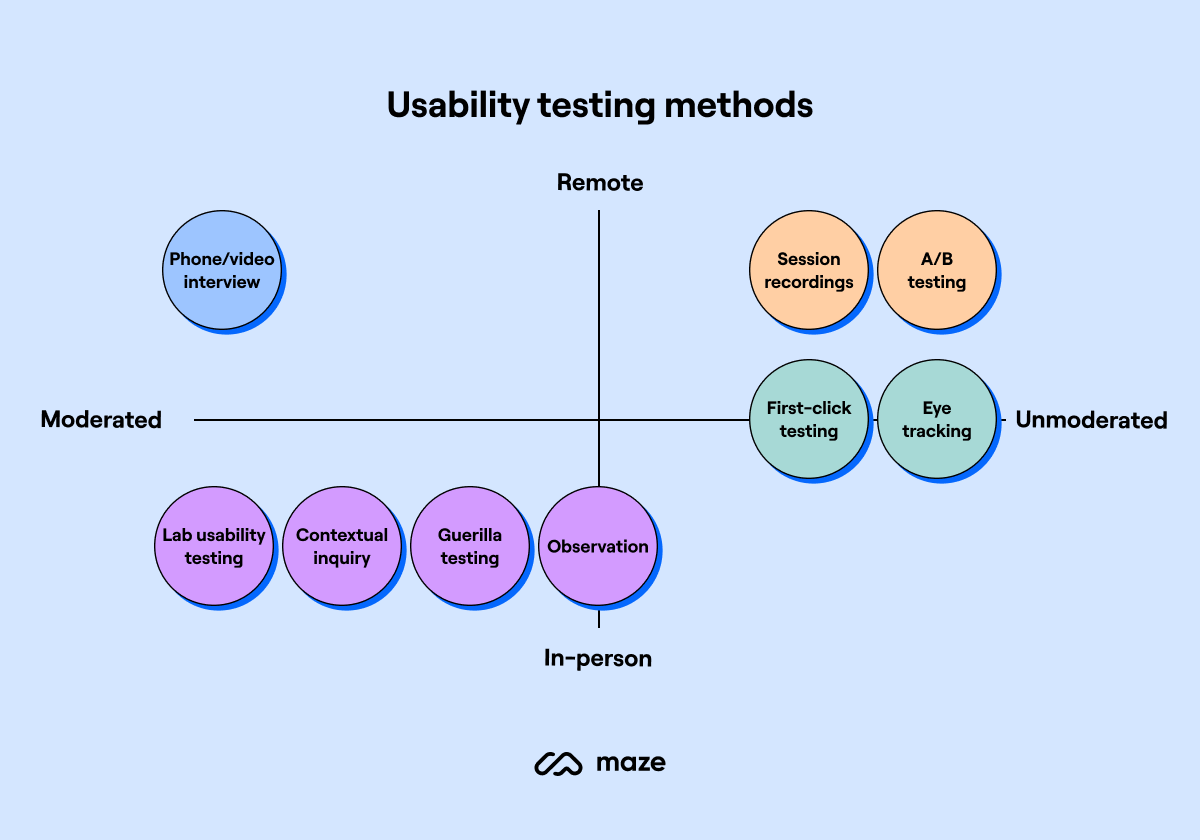
2. Usability Testing Methods
Usability testing helps you observe users interacting with your design.
Types:
- Moderated testing
- Unmoderated testing
- Guerrilla testing
What to watch for:
- Hesitation
- Confusion
- Errors
- Workarounds
3. Surveys (Beginner-Friendly Quantitative Research)
Surveys are useful for validating patterns.
Best practices:
- Keep questions short
- Avoid leading questions
- Mix multiple-choice and scale-based questions

Step 4: Synthesizing Research Data into Insights
Collecting data is easy. Making sense of it is where UX designers stand out.
Common Synthesis Techniques
Persona Creation in UX
Personas represent user types based on real data—not assumptions.
A persona includes:
- Goals
- Pain points
- Behaviors
- Context of use
Empathy Mapping (UX)
Empathy maps help you visualize:
- What users say
- What they think
- What they feel
- What they do
This is powerful during the UX discovery phase.
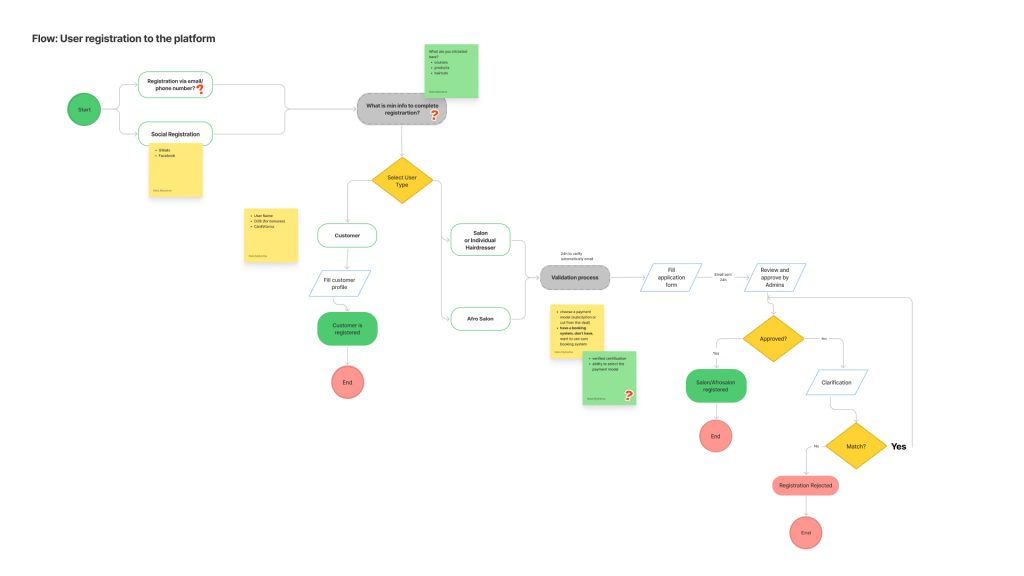
User Journey Mapping
User journey mapping shows:
- Touchpoints
- Emotions
- Friction points
- Opportunities for improvement
It bridges research and design decisions.
Step 5: Turning UX Research into Design Decisions
Learn how to turn UX Research into your design decisions in this UX Research Tutorial for Beginners
Research is useless if it doesn’t influence design.
After analysis:
- Prioritize insights by impact
- Translate findings into UX requirements
- Validate solutions through testing
Example Insight → Design Action
Insight: Users skip instructions
Action: Replace text with progressive tooltips
This is how UX research directly improves usability.
UX Research Examples for Beginners: Real-World Scenarios
Example 1: Mobile App Onboarding
- Method: Usability testing
- Finding: Users are confused by icons
- Solution: Add labels and simplify the flow
Example 2: SaaS Landing Page
- Method: User interviews + surveys
- Finding: Value proposition unclear
- Solution: Rewrite hero messaging
These examples show how small research efforts drive big results.
Explore more about Navigating Accessibility for a Radiant UX Design.
Common Mistakes Beginners Make in UX Research
Avoid these traps:
- Doing research too late
- Asking biased questions
- Over-relying on surveys
- Ignoring negative feedback
- Designing before synthesizing insights
Good UX research is disciplined, not rushed.
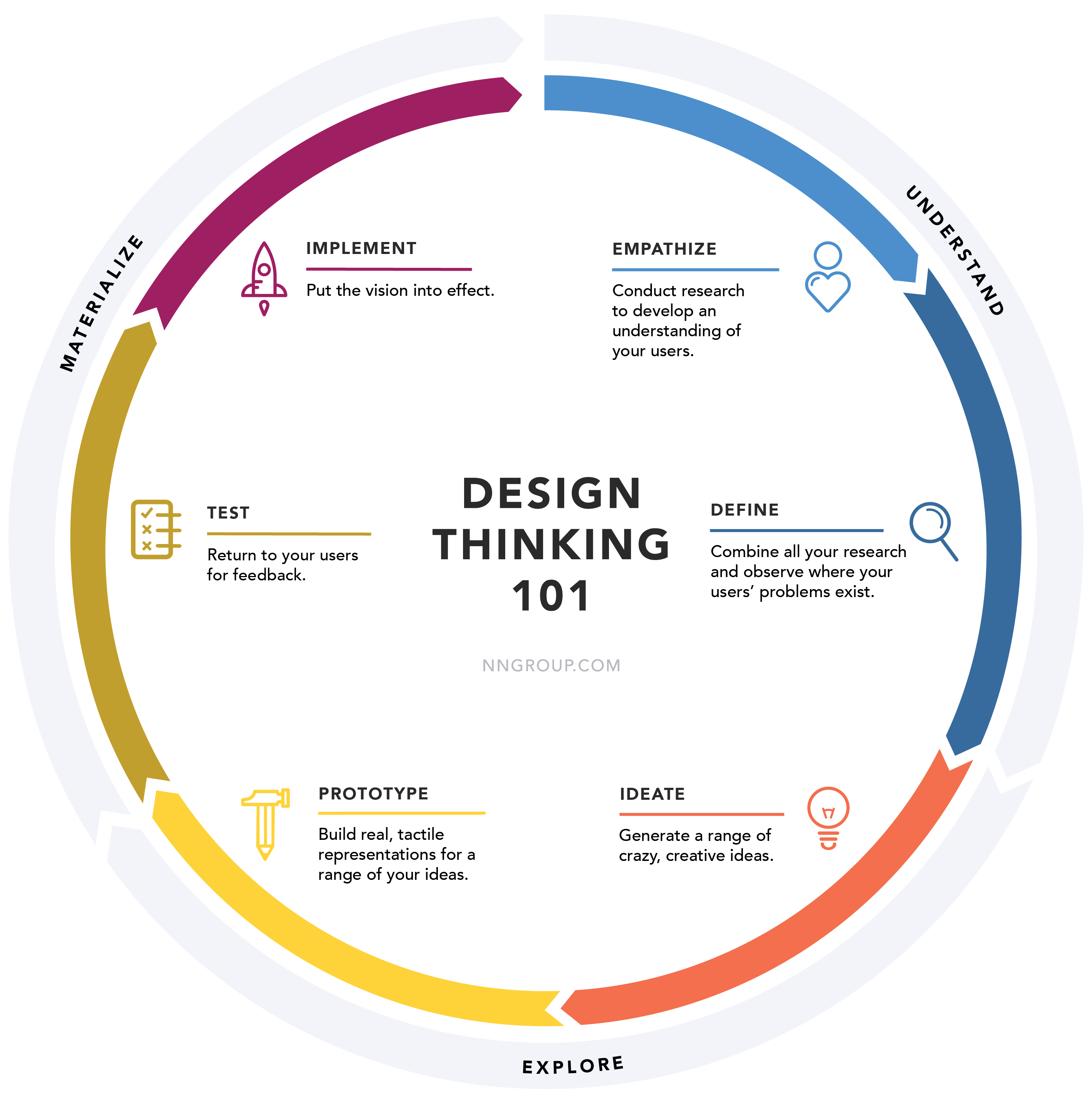
UX Research Tutorial for Beginners in the Design Thinking Research Phase
UX research is tightly connected to design thinking.
In the design thinking research phase, research helps you:
- Empathize with users
- Define real problems
- Avoid solution-first thinking
This alignment ensures human-centered design—not feature-driven design.
How to Conduct User Research in UX (Beginner Checklist)
Use this quick checklist:
- ✅ Define problem statement
- ✅ Choose research methods
- ✅ Recruit real users
- ✅ Collect qualitative + quantitative data
- ✅ Synthesize insights
- ✅ Validate design decisions
Repeat this cycle in every project.
FAQs: UX Research Tutorial for Beginners
1. What is the best UX research method for beginners?
User interviews and basic usability testing are the easiest and most effective starting points.
2. How many users do I need for UX research?
For qualitative research, 5–8 users often uncover most usability issues.
3. How long does UX research take?
Small projects can take 1–2 weeks. Larger products may require ongoing research.
4. Can beginners do UX research without tools?
Yes. Paper, Google Docs, and spreadsheets are enough to start.
5. Is UX research required for every project?
If you care about usability and outcomes—yes. Even lightweight research is better than none.
Conclusion: UX Research Tutorial for Beginners (Final Thoughts)
This UX research tutorial for beginners shows that user research doesn’t have to be complicated or intimidating. With the right mindset, methods, and framework, anyone can conduct effective UX research—even at the start of their career.
Remember:
- Research reduces risk
- Research improves usability
- Research makes you a better designer
Join Our Community
Start designing with confidence—backed by research, not assumptions.