
AI Remix Revolution: How to Recreate 90s Bollywood Magic with Suno AI
Introduction
In the rapidly evolving landscape of generative AI, the boundaries between the past and present are blurring. We’ve all seen the viral trends: modern tracks reimagined as 80s synth-pop or classic dialogues overlaid on futuristic beats. But for creatives and designers, the question isn’t just “how cool is that?” but “how can I do that?”
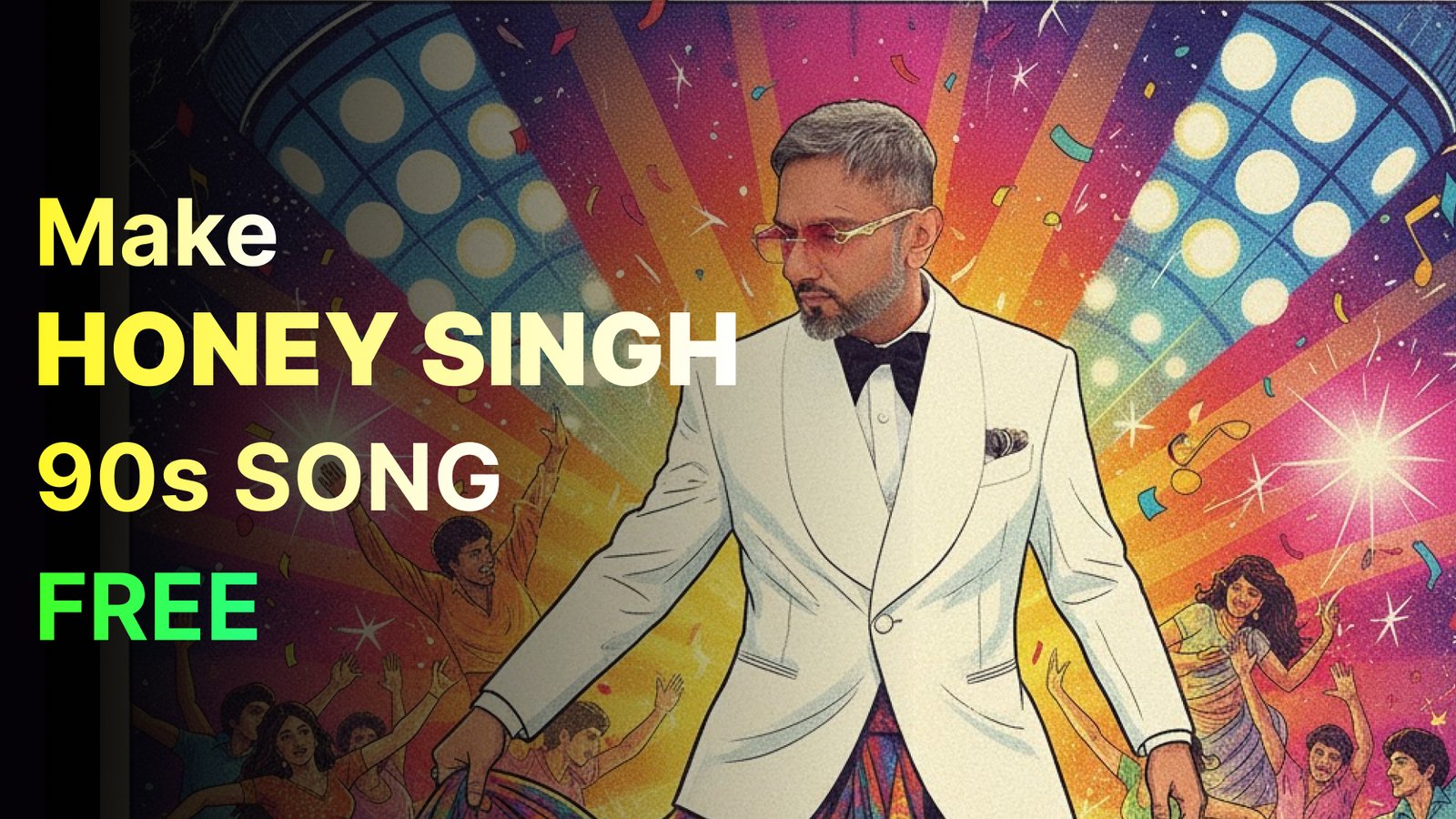
In a recent tutorial from UX Mate, we dive into the world of AI music generation to explore how accessible these tools have become. Specifically, we look at converting contemporary lyrics—like those of Yo Yo Honey Singh—into a nostalgic 1970s or 90s Bollywood classic style using Suno AI.
The Tool: Suno AI
The centerpiece of this workflow is Suno AI (suno.com). As highlighted in the video, Suno has established itself as a frontrunner in AI music generation, with its V5 model offering impressive fidelity and musicality.
For designers and hobbyists operating on a budget, Suno provides a generous entry point:
- 10 Free Credits Daily: Enough to experiment without an immediate financial commitment.
- Access to V5: Even free users can tap into the latest model capabilities (though premium plans exist for heavy users).
Step-by-Step: Creating Your Retro Remix
The video breaks down the process into a simple, replicable workflow that anyone can follow:
- Source Your Lyrics: Start with the lyrics you want to transform. In the tutorial, the lyrics from a Honey Singh track are used as the base.
- Custom Mode is Key: Instead of letting the AI hallucinate everything, switch to Custom Mode. This gives you control over the lyrical content.
- Prompting the Style: This is where the “prompt engineering” comes in. To achieve that specific retro vibe, the tutorial suggests using descriptors like “1970s style Bollywood classic music” or referencing iconic singers like “Kishore Kumar.” The more descriptive you are about the era and instrumentation, the more “dramatic and realistic” the output.
- Generate & Iterate: Hitting create consumes credits (typically 10) and generates two variations.
Analysis of the Results
The output demonstrated in the video is striking. The AI successfully strips away the modern, aggressive beats of the original track and replaces them with the melodious, orchestral swell typical of 90s Bollywood cinema. The vocals adapt to the requested style, mimicking the modulation and tone of the specified era.
Why This Matters for Designers
For the UX Mate community, this isn’t just about making funny memes. It represents a broader shift in creative workflows:
- Rapid Prototyping: Multimedia artists can now generate custom background scores or mood tracks for storyboards and video edits in minutes.
- Understanding Prompts: Just like in Midjourney or ChatGPT, mastering the “style” prompt in audio tools is becoming a necessary skill for digital creators.
Conclusion
Tools like Suno AI are democratizing music production, allowing visual designers to step into the role of audio directors. Whether you want to create a tribute to “Thalaiva” or just experiment with audio styles, the barrier to entry has never been lower.